
Desert Monsoon Season: Why Pests Surge After Late-Summer Las Vegas Rains
Late-summer monsoon rains bring dramatic moisture shifts to the Mojave Desert, prompting scorpions, roaches, rodents, and termites to invade Las Vegas homes. Learn why pests surge after desert storms and how to protect your property.
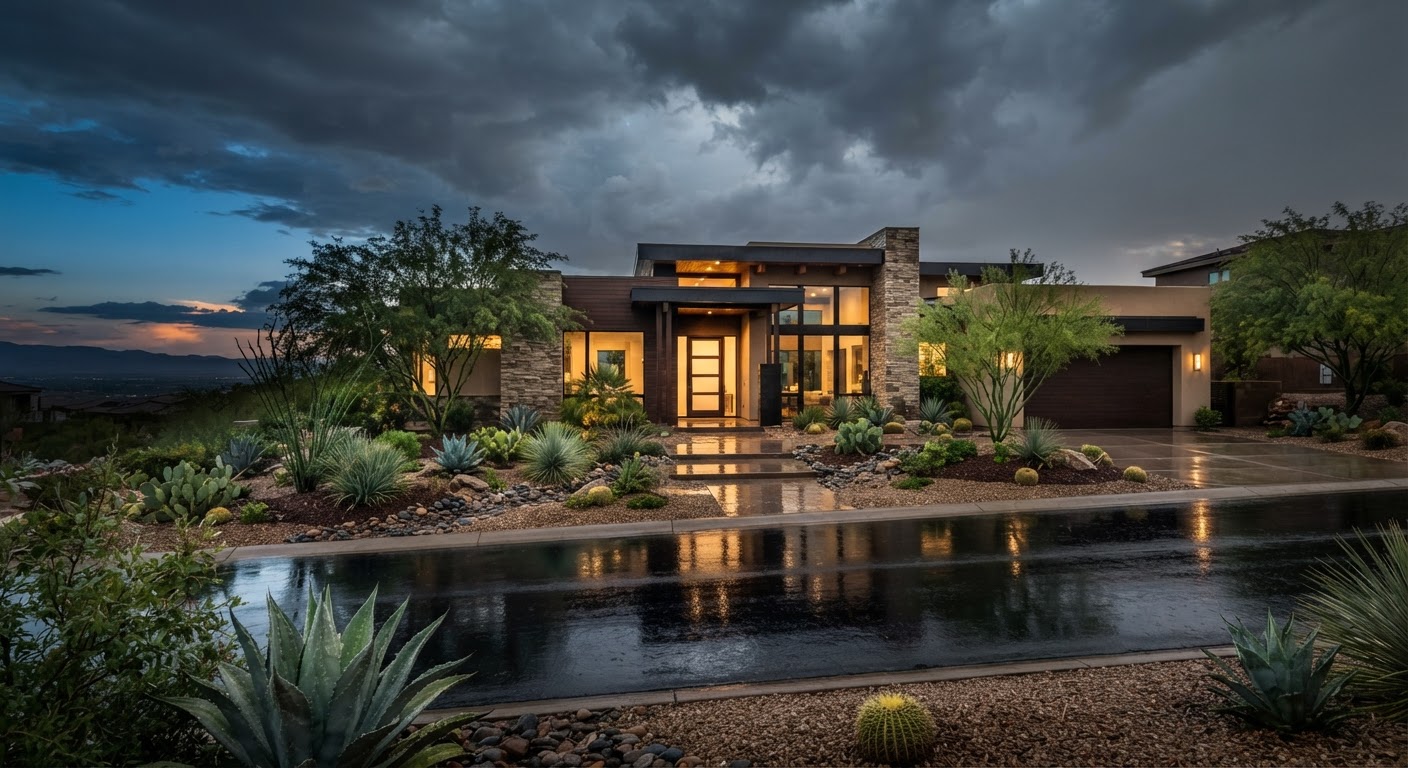
For most of the year, the Las Vegas Valley experiences intense heat and bone-dry conditions. Native wildlife and desert insects have spent centuries adapting to severe aridity, learning to conserve energy and stay hidden beneath rocks, deep underground, or inside dry washes. However, the arrival of the late-summer North American monsoon dramatically alters this dynamic in an instant.
When humid air masses push up from the Gulf of California and collide with intense desert heat, the resulting cloudbursts can drop significant amounts of precipitation within hours. To homeowners, these storms offer a brief and welcome drop in temperatures. To the local pest population, sudden moisture serves as an irresistible wake-up call. Understanding how monsoon rains trigger pest activity can help you safeguard your home before invasive desert pests establish a foothold indoors.
The Biological Trigger of Desert Rain
In temperate climates, rain is routine, and local wildlife reacts with ordinary seasonal patterns. In the Mojave Desert, moisture is a scarce, precious resource that dictates biological life cycles. Many desert pests spend long stretches of extreme summer heat in a state of reduced activity to conserve hydration.
When a sudden downpour drenches the hard-packed, sun-baked desert soil, several environmental triggers occur at once:
- Hydration Availability: Pests that have been scraping by on plant sap, micro-condensation, or prey fluids suddenly have access to standing water.
- Surge in Prey Populations: Moisture prompts blooms in desert plant life, which immediately triggers population explosions among crickets, beetles, springtails, and gnats. Predatory pests naturally follow this abundance of food.
- Harborage Displacement: Torrential runoff floods ground fissures, storm channels, and underground burrows, forcing subterranean pests up toward the surface and into human neighborhoods.
- Humidity Spikes: Higher relative humidity lowers the risk of desiccation (drying out), allowing pests that usually operate strictly under the cover of night to travel farther and stay active longer.
Key Pests Triggered by Late-Summer Monsoon Storms
Different pests react to monsoon conditions in distinct ways. Knowing what to watch for in your yard, garage, and living spaces helps you address vulnerabilities before an infestation spirals out of control.
1. Bark Scorpions
Bark scorpions are common across Southern Nevada, but late summer is one of their most active periods. While scorpions are well-equipped to handle drought, their food sources are not. Once rain stimulates cricket and cockroach activity, bark scorpions emerge from decorative block wall crevices, palm fronds, and decorative rock beds to hunt aggressively.
Additionally, bark scorpions are sensitive to humidity and air pressure changes. Damp ground pushes them upward as they seek dry, elevated surfaces. Because they can scale textured stucco, stone siding, and interior drywall with ease, homeowners frequently spot them climbing exterior walls or slipping under patio door frames following a storm.
2. American and Oriental Cockroaches
Often referred to locally as sewer roaches or water bugs, large cockroaches inhabit municipal storm drains, utility vaults, and sewer systems throughout the Las Vegas Valley. During intense monsoon cloudbursts, these underground networks fill with rapid runoff. To escape drowning, roaches flee upward into streets, driveways, and landscaping.
Once displaced, they search for dark, damp environments that mimic their natural underground habitats. Crawl spaces, garages, laundry rooms, and ground-floor bathrooms often become primary targets. If drain seals or door sweeps are worn, these insects can easily find their way inside living quarters.
3. Subterranean Termites
Termites are often thought of as a springtime issue, but subterranean termites in Southern Nevada are heavily reliant on moisture to move through soil. For months, the top layer of desert dirt is too dry and hot for termites to navigate without dehydrating. Monsoon rains soak through the hard ground, softening it and replenishing moisture levels deep below.
This renewed moisture allows worker termites to expand their exploratory foraging tunnels toward structural wood, fence posts, and landscape timbers. In some circumstances, late-summer humidity also provides the environmental cue needed for secondary swarming activity, where reproductive termites fly out to establish new colonies.
4. Rodents: Roof Rats and House Mice
Desert washes and drainage easements that crisscross suburban Las Vegas serve as natural transit corridors for rodents. Flash floods quickly overrun these low-lying areas, wiping out ground nests and burrows. Displaced roof rats and field mice immediately seek elevated, dry refuge.
Residential properties provide everything a displaced rodent needs: fruit trees, pet food bowls, irrigated lawns, and attic spaces. Rodents can squeeze through gaps as small as a dime, making attic vents, roof joints, and damaged crawl space screens vulnerable entry points after stormy weather.
5. Mosquitoes and Midges
While mosquitoes are rarely associated with the desert, late-summer monsoons create temporary breeding pools across the valley. Water that collects in decorative gravel, clogged rain gutters, unmaintained birdbaths, pool covers, and discarded containers can turn into active mosquito nurseries within 48 to 72 hours. Because desert heat speeds up insect metabolism, larvae can mature into biting adults far faster than they would in cooler climates.
Why Las Vegas Homes Become Monsoon Refuges
Modern residential properties in Las Vegas are essentially man-made oases. Even before a storm hits, homes feature artificial irrigation, air-conditioned shade, and swimming pools. When a monsoon drops inches of rain onto the landscape, properties that already have lush vegetation or standing moisture become primary targets.
Air conditioning units running constantly during high humidity produce steady streams of condensation. When that condensation drains directly next to a home's foundation, it creates an ultra-concentrated damp zone that attracts scorpions, roaches, and subterranean termites looking for relief from saturated yard soil. Add exterior lighting that draws flying insects after dark, and a home perimeter transforms into an open buffet for predators.
Proactive Post-Storm Steps for Homeowners
You can significantly reduce pest pressure around your property by taking deliberate preventive steps immediately after monsoon weather rolls through:
- Eliminate Standing Water: Walk your property within 24 hours of rain. Empty saucers beneath potted plants, invert buckets, check wheelbarrows, and ensure decorative rocks are draining properly away from the foundation.
- Inspect Roof Drainage and Gutters: Wind-blown desert dust and fallen palm debris easily choke downspouts. Clear out blockages so water diverts away from exterior walls rather than pooling alongside structural framing.
- Trim Landscaping Away from Stucco: Shrubs, ornamental grasses, and tree branches that touch your siding act as direct bridges for scorpions and rodents fleeing wet soil. Maintain an 18-inch clearance between plants and exterior walls.
- Examine Thresholds and Weatherstripping: Desert heat degrades rubber seals on garage doors and exterior entryways over time. Replace worn weatherstripping so pests cannot slip through ground-level gaps.
- Direct AC Condensation Away: Ensure your air conditioner's condensation line discharges into a designated drain or at least several feet out from the concrete slab rather than pooling against the house.
Professional Post-Monsoon Protection
While DIY perimeter maintenance helps remove surface attractants, severe weather can push pests deep into structural voids, wall cavities, and attic spaces where over-the-counter products fail to reach. Heavy rains can also wash away older, degraded exterior treatments, leaving your home completely exposed during peak pest activity.
A tailored pest management plan addresses the specific biological behaviors of desert species. By targeting perimeter entry points, establishing protective barriers that withstand extreme heat and moisture fluctuations, and monitoring for subterranean activity, you can keep your living space safe and comfortable all season long.
If late-summer rains have brought unexpected visitors into your home, Cobalt Creek Pest Control is here to help. Contact Cobalt Creek Pest Control today for comprehensive residential pest control, termite inspections, and rodent management across Las Vegas.
Need help from Cobalt Creek Pest Control?
Contact our team to discuss your service needs in Las Vegas and surrounding service areas.